A robot wrote this one
7 sources used
to draft this brief.
We told it to behave. It mostly does — but Citefull AI can still get things wrong. Every claim links back to where it actually came from, right below.
You’ll see this every time you open a brief. Consider it us refusing to let you forget there’s a machine behind the curtain.

Image from facebook.com
AI Industry Shifts Amid U.S. STEM Talent Strains
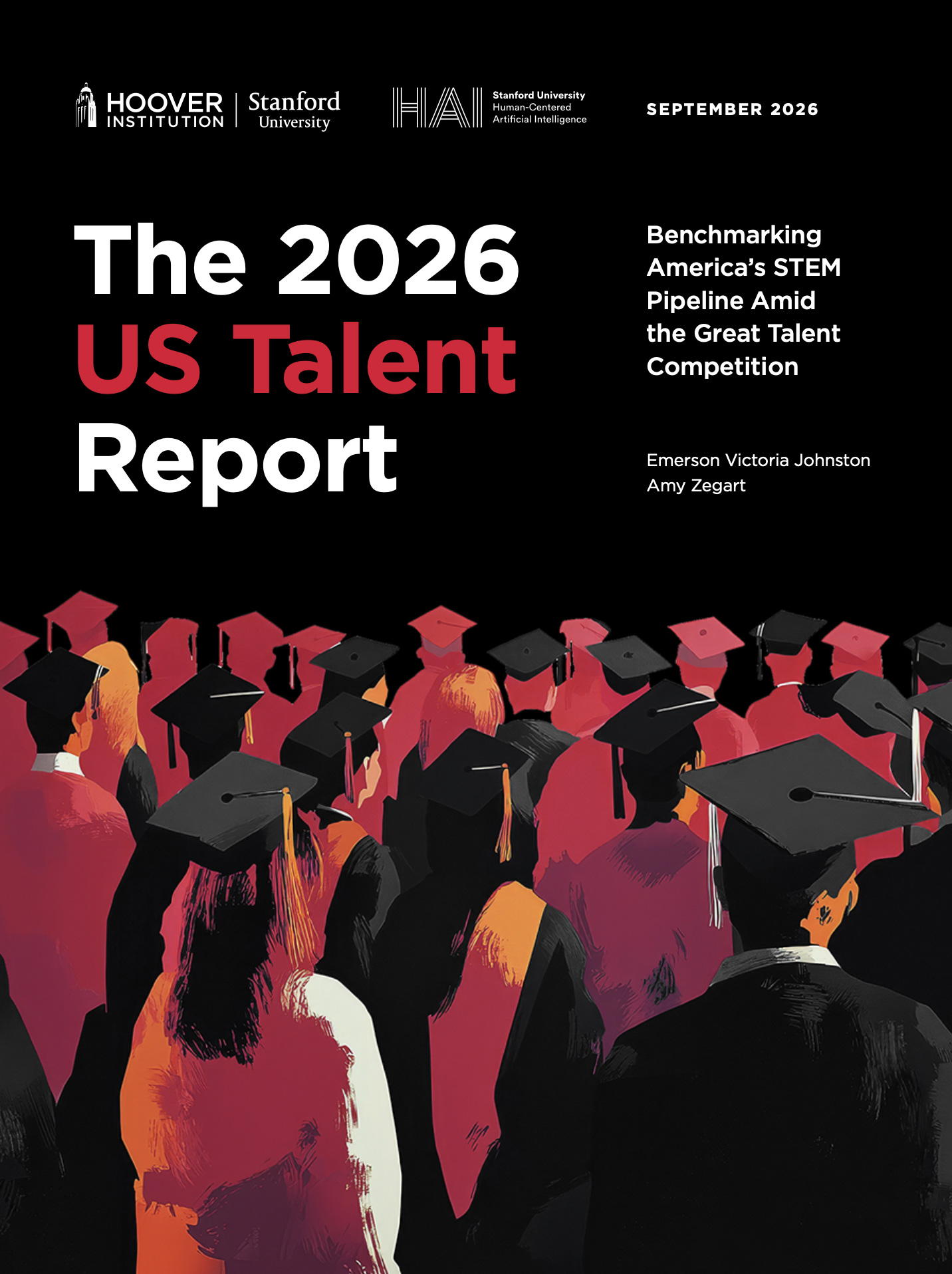
The 2026 US Talent Report finds U.S. STEM strength relies increasingly on international graduates, while domestic student math performance and retention lag.
Major industry moves include AMD’s planned $8.2B acquisition of World Labs and reports of OpenAI pausing model training after Department of Education API key incidents.
Research and education hubs like TUM are embedding AI across disciplines and prioritizing ethics, industry ties and entrepreneurial support.
AI forecasting systems are reaching or exceeding human accuracy in some settings, but analysts recommend pairing AI output with human context and theory.
Top Immediate Takeaways
U.S. STEM strength now depends heavily on international graduates, and outdated immigration rules weaken retention. AMD plans to buy World Labs for $8.2 billion, showing chipmakers’ push deeper into AI research. OpenAI paused model training after Department of Education API keys were exposed, highlighting operational security risks. Universities like TUM are expanding AI across curricula while stressing ethics and industry partnerships.
Longer-Term Takeaway
If current trends hold, retaining global STEM talent and upgrading education and immigration policies will be as central to national AI competitiveness as corporate R&D and platform safety.
The Stanford HAI 2026 US Talent Report finds U.S. STEM advantages depend on international graduates and flags domestic education, publication share and immigration as challenges.
Technical University of Munich is expanding AI and ML across disciplines, promoting interdisciplinary projects, ethical AI and industry partnerships.
Recent industry reporting highlights major deals, model releases and operational security issues, including AMD’s planned $8.2B acquisition, OpenAI’s training pause after API key incidents, and new model releases.
Business analysis finds AI models are beginning to match or beat human forecasters in some competitions, but companies should combine AI outputs with human oversight.
 facebook.comSep 28, 2026facebook.com

Citefull AI generated this brief from published sources. Confidence ratings reflect source agreement, not editorial endorsement. Nothing here is financial or legal advice.
You’re receiving this Brief because you built your own WatchFull™ Channel in Citefull.
View in browser · Preferences · Terms of Service · Privacy Policy · Disclaimer