A robot wrote this one
22 sources used
to draft this brief.
We told it to behave. It mostly does — but Citefull AI can still get things wrong. Every claim links back to where it actually came from, right below.
You’ll see this every time you open a brief. Consider it us refusing to let you forget there’s a machine behind the curtain.
22 sources, 1 key claim — they agree on 0, split on 1.
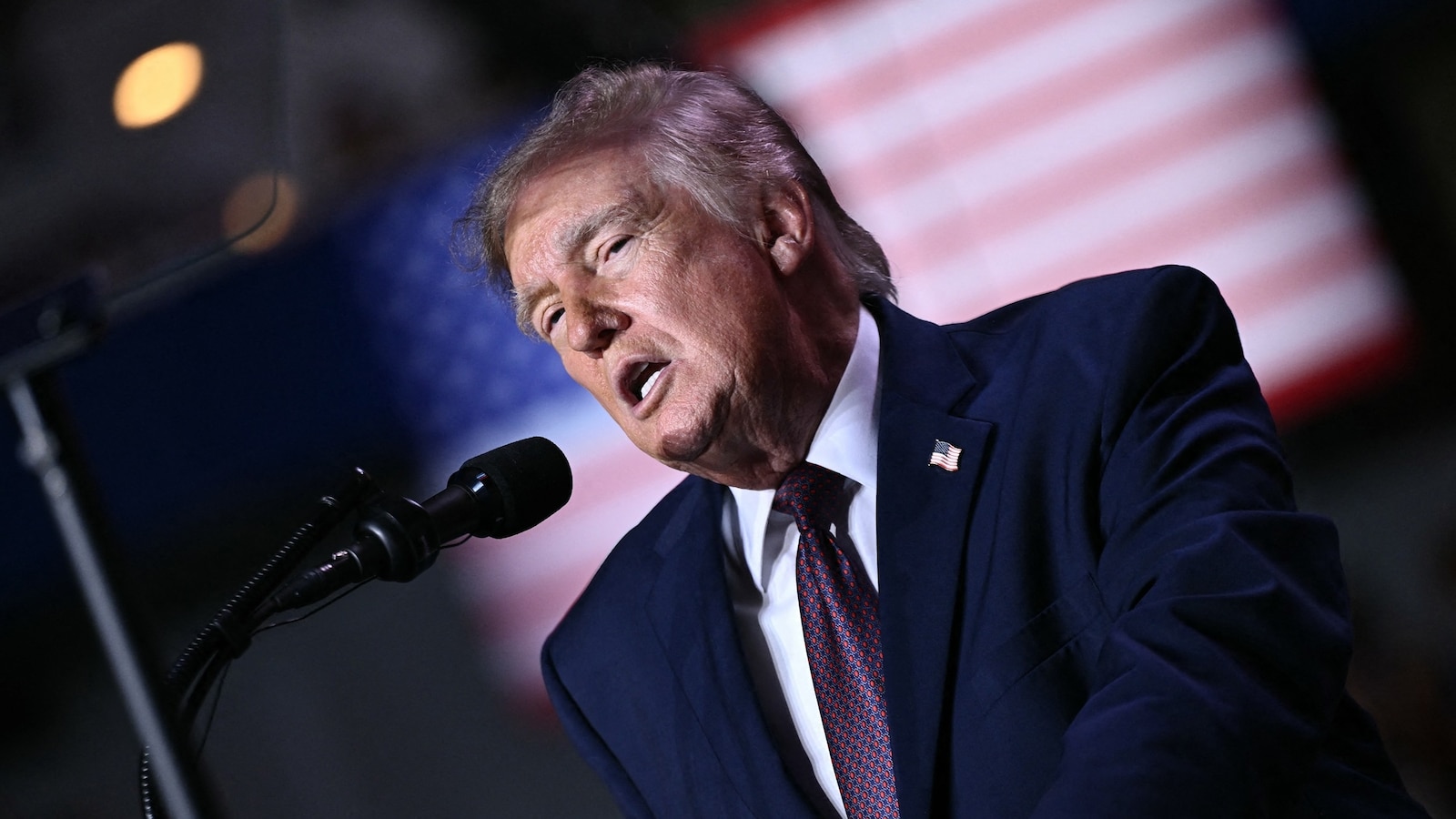
Image from abcnews.com
Trump Announces Super Intelligence Force and AI 'Constitution'
Citefull AI quantified this from 22 sources.
Where the sources split
Which notable new AI products, models, or releases were announced recently?
The White House announced a new 'Super Intelligence Force' led by Jay Clayton and said tech CEOs endorsed a voluntary AI 'constitution', but officials provided few implementation details.
Microsoft announced Maia 300, a next-generation AI inference chip, and plans to expand Azure Maia for multi-gigawatt deployments starting in 2027.
IBM made Spyre a first-class PyTorch backend to smooth development across diverse AI accelerators and enterprise deployments.
Security researchers warn that faster AI model releases shorten the window between discovery and exploitation of software vulnerabilities, raising coordination and patching needs.
White House And Industry Pair Coordination With Voluntary Rules
The administration combined a federal 'Super Intelligence Force' (led by Jay Clayton) with a voluntary industry 'constitution', but provided few details on oversight, authority or membership.
What This Could Mean Long Term
If federal bodies and industry continue to favor voluntary accords without clear enforcement, debates will pivot toward whether voluntary standards can keep pace with technical and security risks.
Trump announced a White House 'Super Intelligence Force' and presented an industry-signed voluntary AI 'constitution', naming Jay Clayton to lead the task force.
Tech CEOs signed a voluntary 'constitution' to self-regulate AI; leaders described it as a starting point for internal controls and public trust.
Companies continue to invest in AI hardware and software: Microsoft unveiled a new Maia 300 inference chip and cloud plans; IBM tightened hardware support for developers via Spyre.
Researchers warn that rapid AI releases compress the time between vulnerability discovery and exploitation, calling for coordinated release strategies and preemptive patching.
What happens next
Where these sources think this goes — drawn from the same sources behind today’s facts.
Will voluntary industry agreements be the primary mechanism for AI oversight in the U.S. through 2026-12-31?
 abcnews.comOct 27, 2026abcnews.com

 ncats.nih.govOct 27, 2026ncats.nih.gov
Citefull AI generated this brief from published sources. Confidence ratings reflect source agreement, not editorial endorsement. Nothing here is financial or legal advice.
You’re receiving this Brief because you built your own WatchFull™ Channel in Citefull.
View in browser · Preferences · Terms of Service · Privacy Policy · Disclaimer