A robot wrote this one
21 sources used
to draft this brief.
We told it to behave. It mostly does — but Citefull AI can still get things wrong. Every claim links back to where it actually came from, right below.
You’ll see this every time you open a brief. Consider it us refusing to let you forget there’s a machine behind the curtain.
21 sources, 1 key claim — they agree on 0, split on 1.
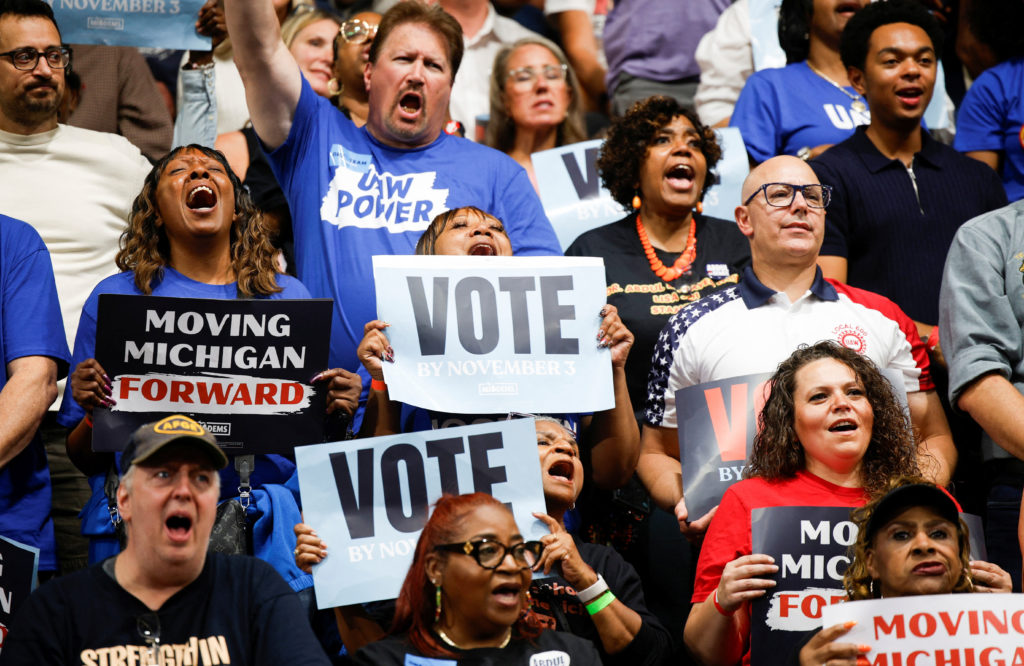
Image from pbs.org
Polls Show Democrats Lead Midterms By 5-8 Points
Citefull AI quantified this from 21 sources.
Where the sources split
Polling faces accuracy challenges since 2016, including non-response bias and risks of undercounting.
Late-October national polls show Democrats ahead of Republicans by roughly 5–8 points.
Democratic voters report higher enthusiasm, with polls showing stronger turnout indicators for Democrats.
An ABC/Washington Post/Ipsos poll reports President Trump at 37% approval and 62% disapproval.
Investigations uncovered fabricated polls from a vendor (Wedgewood Polls), raising concerns about poll authenticity.
High-turnout Israeli voting on Oct. 27, 2026 produced a tight result with no clear governing majority.
What To Know Now
National polls in late October show Democrats leading by about 5–8 points, Democratic voters are more enthusiastic, and polling accuracy and fake polls are increasing scrutiny.
What This Might Mean Longer Term
If polling methods and verification do not improve, public and media trust in polls will erode, complicating how campaigns and voters interpret election signals.
Detailed national polling that finds Democrats ahead by mid-single digits and notes higher Democratic turnout enthusiasm.
Nationwide surveys record weak presidential approval and broad public pessimism about the country's direction, linked to economic and foreign policy concerns.
Investigations and media accounts highlight methodological limits of polls and reveal at least one case of fabricated polling, prompting calls for verification.
Some analysts and commentators argue polls may undercount Republican voters and caution against overreading poll margins, while others say recent midterm polling is broadly consistent.
What happens next
Where these sources think this goes — drawn from the same sources behind today’s facts.
Will Democrats win control of the U.S. House by 2026-11-03?
 pbs.orgOct 27, 2026pbs.org

 abcnews.comOct 27, 2026
Citefull AI generated this brief from published sources. Confidence ratings reflect source agreement, not editorial endorsement. Nothing here is financial or legal advice.
You’re receiving this Brief because you built your own WatchFull™ Channel in Citefull.
View in browser · Preferences · Terms of Service · Privacy Policy · Disclaimer