A robot wrote this one
17 sources used
to draft this brief.
We told it to behave. It mostly does — but Citefull AI can still get things wrong. Every claim links back to where it actually came from, right below.
You’ll see this every time you open a brief. Consider it us refusing to let you forget there’s a machine behind the curtain.
Image from developer.apple.com
U.S. Institutions Tighten AI Governance Across Sectors
Connecticut enacted SB 5 (signed May 27, 2026) imposing disclosure duties on employers that use AI for hiring and assigning enforcement to the state attorney general (Cooley).
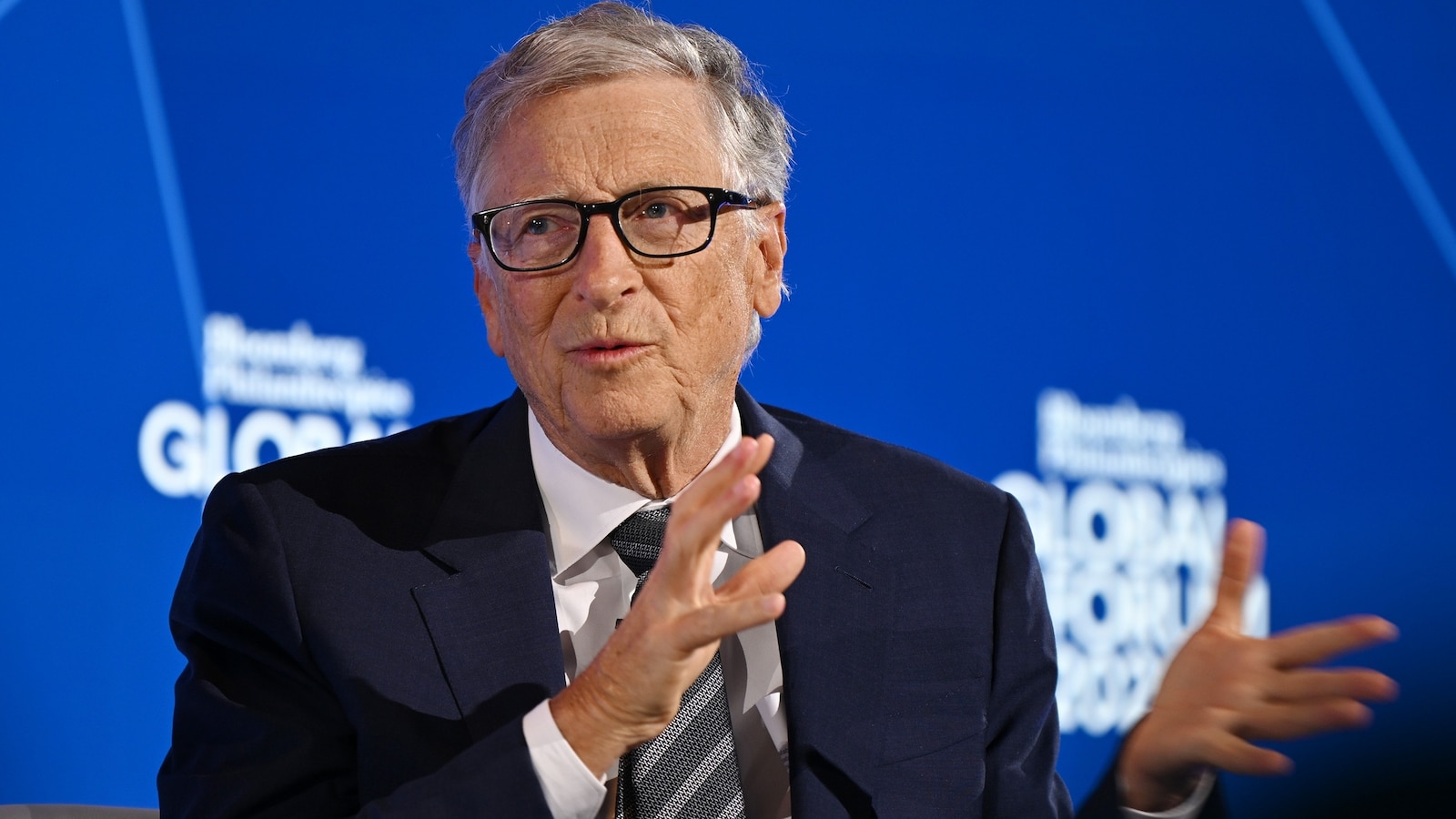
Tech companies pursued voluntary self-regulation: ABC News reports tech leaders signed a nonbinding 'AI constitution' at a White House meeting.
Professional and insurance sectors are reacting operationally: the Florida Bar is soliciting feedback on an advisory AI ethics opinion and malpractice insurers are scrutinizing firms' AI governance (Florida Bar; MSBA).
Product development continues alongside governance: Apple released a Siri AI developer preview and NVIDIA promoted AI agent tooling, meaning creators must reconcile product capabilities with emerging rules (Apple; NVIDIA).
Multiple Governance Tracks Are Moving at Once
State law, professional guidance and voluntary industry pacts are all advancing this week, so compliance teams must track parallel rules rather than a single national standard.
Operational Controls Will Matter More Than Rhetoric
As laws and bar opinions impose disclosure and process duties, employers, developers and law firms will need documented policies, vendor info and audit trails to demonstrate compliance.
Connecticut’s SB 5 requires employers to disclose AI use in hiring and assigns enforcement to the state attorney general.
Tech leaders signed a voluntary, nonbinding 'AI constitution' at a White House meeting emphasizing internal controls and oversight.
Legal bodies and insurers are focusing on AI accuracy, confidentiality and governance; the Florida Bar seeks feedback and malpractice carriers review firm protocols.
While governance advances, companies continue to release new AI tooling and integrations for developers and enterprises.
What happens next
Where these sources think this goes — drawn from the same sources behind today’s facts.
On 2026-12-10, will U.S. AI oversight still be driven mainly by state laws and professional bodies rather than by binding federal law?

Citefull AI generated this brief from published sources. Confidence ratings reflect source agreement, not editorial endorsement. Nothing here is financial or legal advice.
You’re receiving this Brief because you built your own WatchFull™ Channel in Citefull.
View in browser · Preferences · Terms of Service · Privacy Policy · Disclaimer