A robot wrote this one
10 sources used
to draft this brief.
We told it to behave. It mostly does — but Citefull AI can still get things wrong. Every claim links back to where it actually came from, right below.
You’ll see this every time you open a brief. Consider it us refusing to let you forget there’s a machine behind the curtain.
10 sources, 1 key claim — they agree on 0, split on 1.
Where today’s coverage lines up — and where it doesn’t:
Image from stocktwits.com
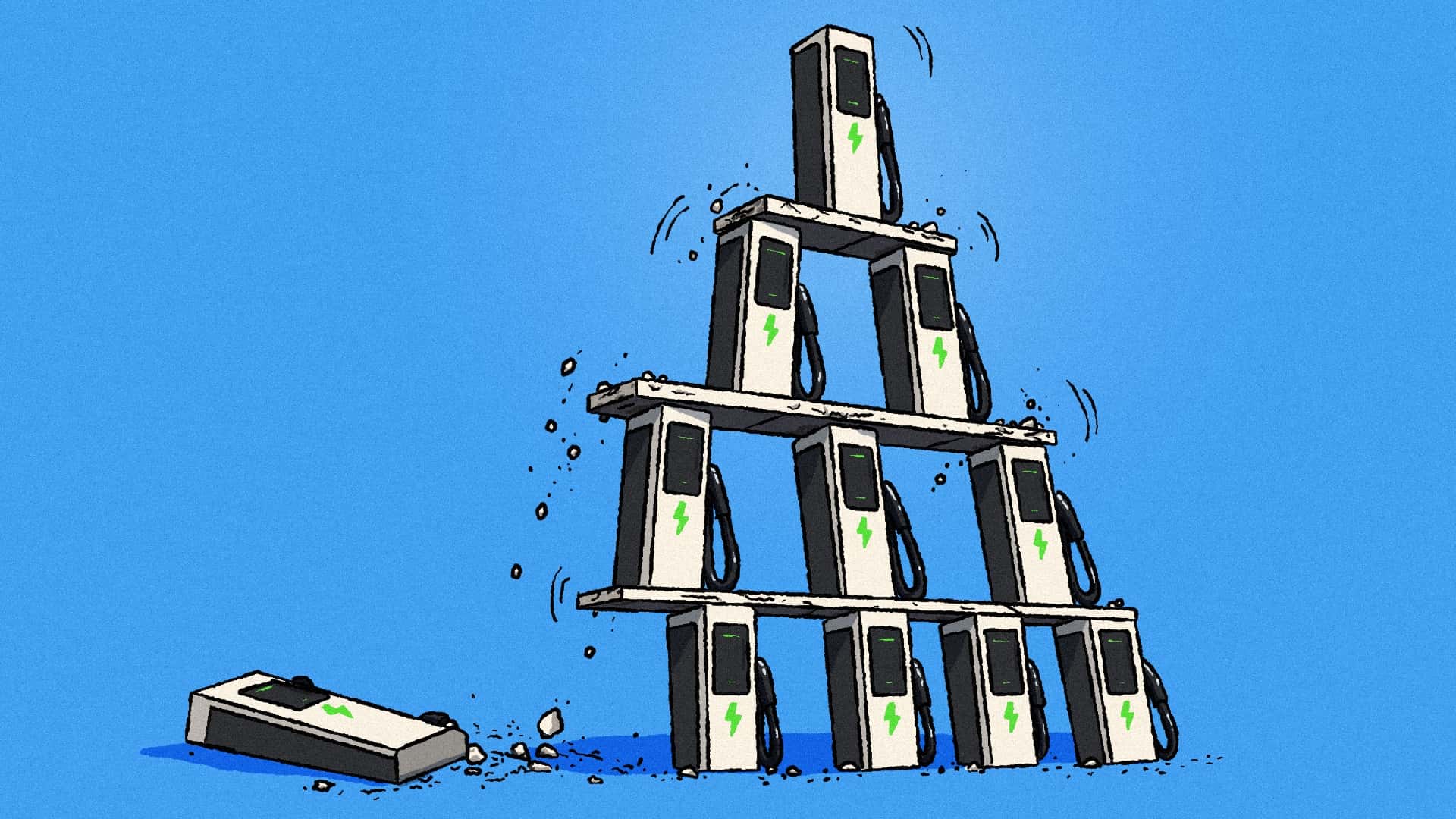
EV Sales Dropped From 14% To 5% After $7,500 Credit End
Citefull AI quantified this from 10 sources.
Where the sources split
Used electric vehicle prices and turnover are rising; used EVs are selling faster than gasoline cars.
InsideEVs: EV share surged past 14% then fell to about 5% after the $7,500 federal credit ended on Sept. 30, 2025.
ColoradoSun: New-car sales in Colorado fell 14.7% in the first nine months of 2026, a drop largely tied to weaker EV demand after federal subsidy cuts.
CarsDirect: Ford canceled national incentives on the Escape, replaced them with dealer cash offers, and had fewer than 200 Escapes left at dealerships.
CarPro: Used EV prices rose 9.8% to an average of $32,533 and are selling faster, indicating buyer migration into the used market.
Subsidy Pullback Triggered Rapid Price and Inventory Moves
InsideEVs and ColoradoSun show that removing the $7,500 federal credit moved EV share from above 14% to about 5% and helped push dealers and automakers into dealer cash offers, model sellouts and a stronger used-EV market.
Structural Margin Pressure Will Follow Incentive Shifts
Autonews/Gasgoo and Stocktwits/Yahoo together show automakers face squeezed margins from higher input costs even as some (Ford) promise improved core margins via cost cuts, so long-term margin outcomes will depend on pricing power, state rebates and how dealers absorb or pass on discounts.
The $7,500 federal credit ending drove EV share from over 14% to about 5%, producing sharp drops in new-EV demand and regional sales declines.
Manufacturers pulled national incentives and moved to dealer cash offers; some models sold out, leaving dealers to manage remaining inventory and local pricing.
Used EVs have risen in price and turnover, capturing buyers priced out of new EVs or reacting to local incentive gaps.
Rising input costs and intensified competition are compressing automaker margins, which shapes how much pricing flexibility manufacturers can give dealers.
What happens next
Where these sources think this goes — drawn from the same sources behind today’s facts.
Will automakers continue offering price cuts or dealer-level incentives (dealer cash offers) through June 30, 2027?
 stocktwits.comNov 3, 2026Ford Outlook Lifted To Stable By S&P On Cost Efficiency, EV Plans After Q3 Profit Beat

 finance.yahoo.com
Citefull AI generated this brief from published sources. Confidence ratings reflect source agreement, not editorial endorsement. Nothing here is financial or legal advice.
You’re receiving this Brief because you built your own WatchFull™ Channel in Citefull.
View in browser · Preferences · Terms of Service · Privacy Policy · Disclaimer