A robot wrote this one
8 sources used
to draft this brief.
We told it to behave. It mostly does — but Citefull AI can still get things wrong. Every claim links back to where it actually came from, right below.
You’ll see this every time you open a brief. Consider it us refusing to let you forget there’s a machine behind the curtain.
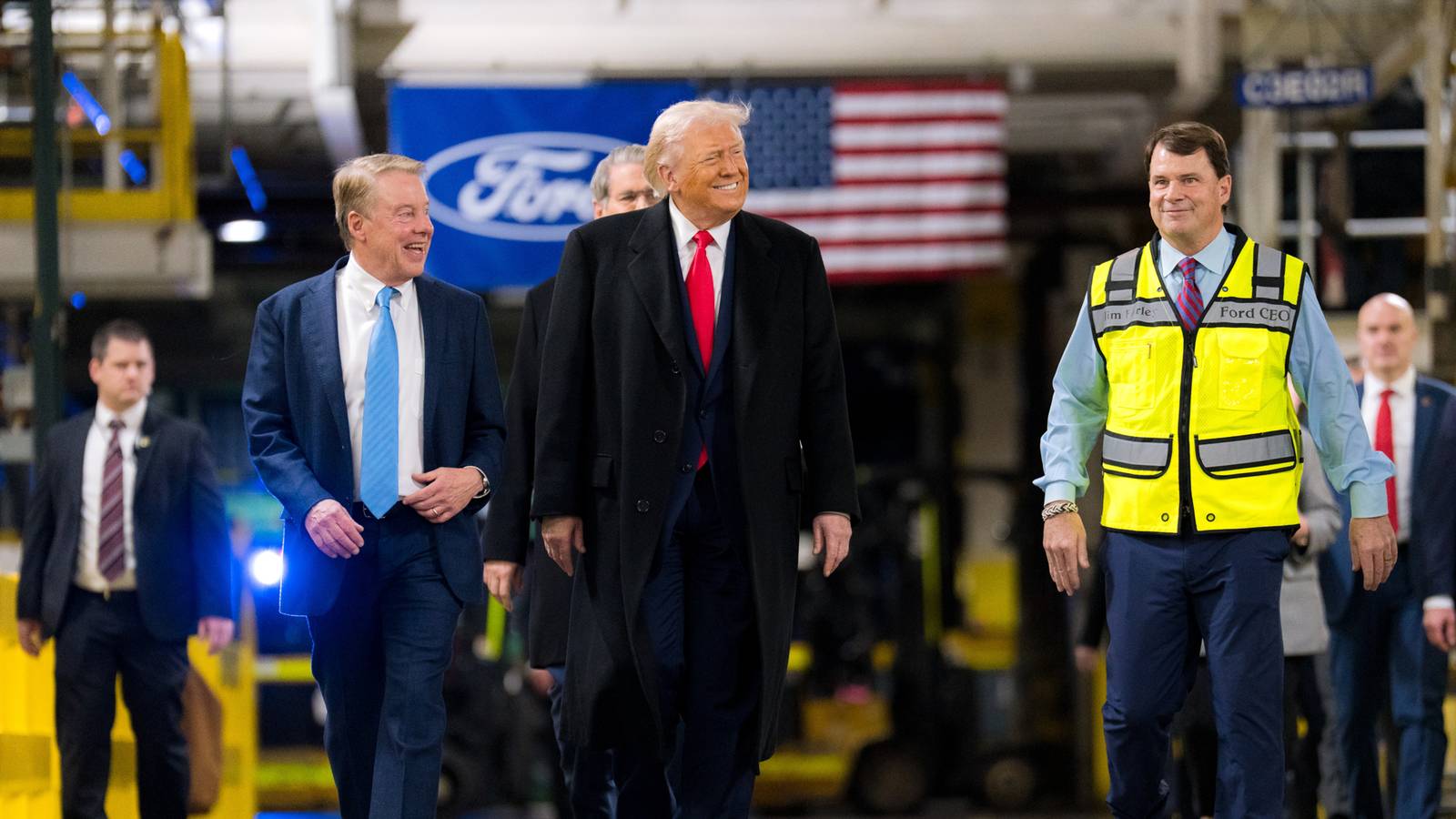
Image from carbuzz.com
Canadians Accelerate Car Buying Ahead Of U.S. Tariffs
Autotrader reports 81% of intending Canadian buyers plan to buy a vehicle within six months, driving a pre-tariff purchasing surge.
Autotrader reports new-vehicle sales rose over 3% in Q3 2026 while average new-list prices fell nearly 2% and new-vehicle payments hit their lowest level since 2013.
DesRosiers data summarized by Canadian Auto Dealer shows used vehicles continue flowing to the U.S., tightening Canadian used inventories and increasing pricing pressure.
Political shifts matter: WRAL and Carbuzz report U.S. congressional changes could lead Democrats to target Trump-era tariffs on Canada and Mexico, but repeal faces veto risk.
Immediate Takeaways
81% of intending Canadian buyers plan purchases within six months; Q3 2026 new-vehicle sales rose over 3% while new-list prices fell nearly 2% (Autotrader); used inventories tightened as exports to the U.S. kept flowing (Canadian Auto Dealer).
Longer-Term Signal
If political pressure alters U.S. tariffs, trade flows and pricing pressure between new and used markets will shift, but current data show tariffs and export flows already reshaping availability and prices.
Autotrader documents a rush of Canadian buyers ahead of tariffs, higher Q3 new-vehicle sales, falling new-list prices, and tighter used supply.
DesRosiers data summarized by Canadian Auto Dealer shows steady exports of used Canadian vehicles to the U.S., tightening domestic used inventories and adding pricing pressure.
WRAL and Carbuzz report U.S. midterm shifts have prompted Democratic pushes to target Trump-era tariffs on Canada and Mexico, and Canadian leaders are pressing for repeal or negotiation.
WorldFinanceInforms links tariffs to higher costs for imported vehicle parts and insurance claim settlements, and EastAsiaBrief shows tariff measures in the region affecting EV supply chains.
What happens next
Where these sources think this goes — drawn from the same sources behind today’s facts.
Will U.S. tariffs on Canadian vehicles still be in place on 2027-01-01?
 carbuzz.comNov 6, 2026America's Historic Midterm Election Bombshell: What It Means For The Auto Industry

Citefull AI generated this brief from published sources. Confidence ratings reflect source agreement, not editorial endorsement. Nothing here is financial or legal advice.
You’re receiving this Brief because you built your own WatchFull™ Channel in Citefull.
View in browser · Preferences · Terms of Service · Privacy Policy · Disclaimer