A robot wrote this one
11 sources used
to draft this brief.
We told it to behave. It mostly does — but Citefull AI can still get things wrong. Every claim links back to where it actually came from, right below.
You’ll see this every time you open a brief. Consider it us refusing to let you forget there’s a machine behind the curtain.
11 sources, 2 key claims — they agree on 0, split on 2.
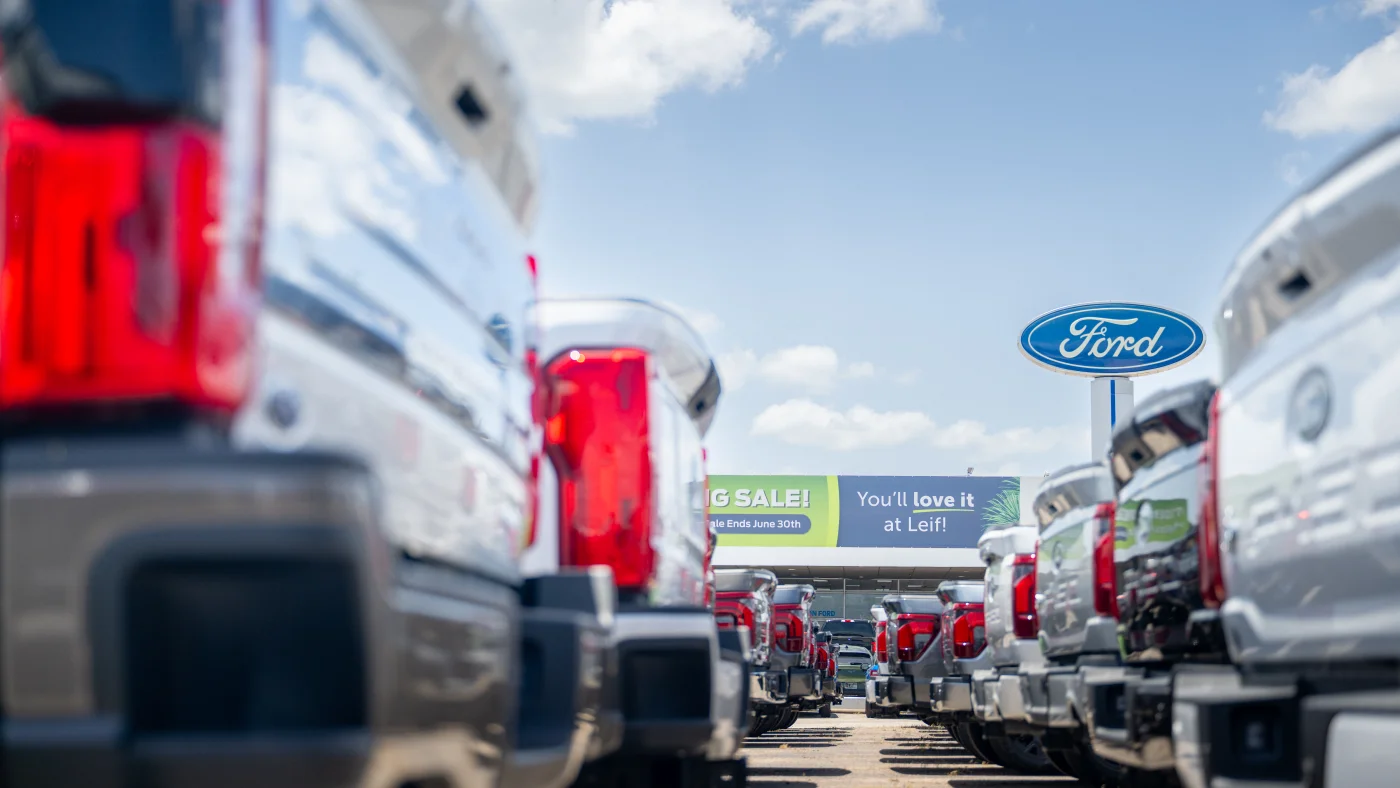
Image from npr.org
U.S. New-Car Average Tops $51,109; Tariffs Cited
Citefull AI quantified this from 11 sources.
Where the sources split
Tariffs are contributing to higher new vehicle prices in the U.S.
Kelley Blue Book data cited by NPR and Houston Public Media shows the average U.S. new-vehicle transaction price at $51,109, a 2.1% year-over-year increase.
Several outlets (NPR, RBC, Mexico-Now) identify U.S. auto tariffs and tariffs on auto parts as contributors to higher vehicle costs and disrupted regional trade; Mexico’s passenger-car export value to the U.S. fell 20% Jan–Jul 2026, per Mexico-Now.
OEMs are responding with domestic capacity investment: CNBC, Quartz and Yahoo report Honda’s $3 billion Ohio plant, 240,000 annual capacity, and production start in 2029, citing tariffs and capacity limits as context.
Rising borrowing costs and larger loan balances compound price pressure: NPR reports used-car loan rates near 11% and new-car rates over 7%, and Houston Public Media reports average auto loan amounts of $44,664.
Advocacy and industry analysis diverge on policy: the Coalition for a Prosperous America urges tariff reform instead of repeal, while market reports stress supply-chain and inflation drivers alongside trade policy.
Most Important Near-Term Facts
Average new-vehicle transaction price is $51,109 (Kelley Blue Book); tariffs and higher input costs are repeatedly cited as contributors; Honda’s $3B Ohio plant is a major industry reaction to capacity and trade pressures.
What This Suggests Longer-Term
If tariffs remain part of the policy mix, expect continued pressure on vehicle costs and more OEM investment in domestic capacity rather than immediate price relief for buyers.
Kelley Blue Book’s average new-vehicle transaction price is $51,109, with financing and used-car prices also rising.
Reporting links U.S. tariffs on autos and auto parts to higher costs and to shifts in regional auto trade.
Automakers are investing in U.S. plants to boost domestic production amid tariffs and capacity limits.
Some advocates argue tariffs should be reformed and targeted rather than abolished outright to support domestic industry.
What happens next
Where these sources think this goes — drawn from the same sources behind today’s facts.
Will U.S. auto tariffs continue to contribute to higher new‑car prices in the U.S. by 2027-11-11?
 npr.orgNov 10, 2026The Average Cost for a New Vehicle in the U.S. Hits a New Record

 cnbc.comNov 10, 2026
Citefull AI generated this brief from published sources. Confidence ratings reflect source agreement, not editorial endorsement. Nothing here is financial or legal advice.
You’re receiving this Brief because you built your own WatchFull™ Channel in Citefull.
View in browser · Preferences · Terms of Service · Privacy Policy · Disclaimer