A robot wrote this one
10 sources used
to draft this brief.
We told it to behave. It mostly does — but Citefull AI can still get things wrong. Every claim links back to where it actually came from, right below.
You’ll see this every time you open a brief. Consider it us refusing to let you forget there’s a machine behind the curtain.
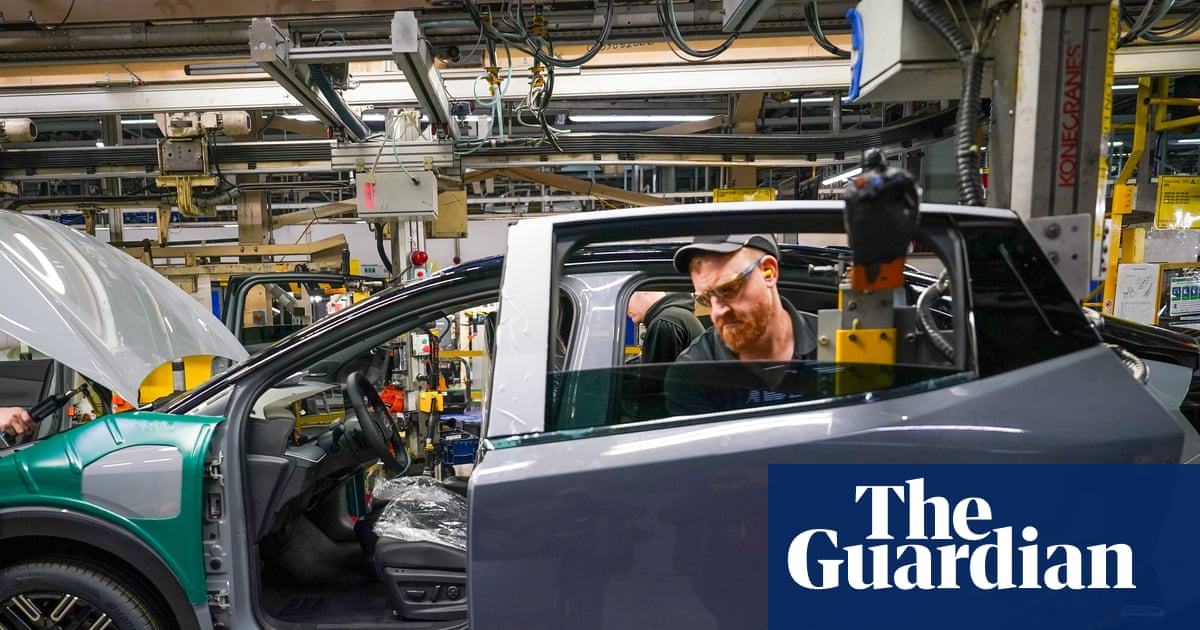
Image from theguardian.com
Tariffs Raise Vehicle Costs as EU‑UK Talks Advance
Post-Brexit rules could add a 10% tariff to many EU-built EVs if implemented, raising consumer prices (regit.cars; The Guardian).
Multiple outlets report tariffs are already pushing up vehicle and parts costs and affecting manufacturers' margins and sourcing (CarsDirect; midmichigannow; tokyobrief; oneunionsolutions; scmr.com).
Regit.cars and The Guardian report EU‑UK talks are active and are expected to be advanced around the November summit, but no final delay has been agreed.
Outlets split on scale: DC Journal says tariffs are not the primary driver of inflation, while others tie tariffs to higher car payments and firm pressure.
Three Facts Worth Knowing Now
Tariffs are adding measurable costs to cars and parts across markets, cited by CarsDirect, midmichigannow, oneunionsolutions and scmr.com. Post-Brexit rules could impose a 10% tariff on many EU-built EVs, a figure reported by regit.cars and The Guardian. EU and UK negotiators are discussing delays tied to an upcoming November summit, but no final agreement has been reported.
A Long-Term Takeaway
If origin rules are enforced without delay, manufacturers will face sustained incentives to localize battery supply and reshuffle sourcing to avoid tariffs, which will keep upward pressure on prices and change where cars are built and sold.
The Guardian reports UK carmakers want at least two years to meet new 'rules of origin' for EV batteries to avoid a 10% tariff hitting EU-built cars.
Regit.cars reports that, unless delayed, a 10% tariff could apply to many EU-built electric cars from January 1, 2027, and says negotiations will move after the November 20 summit.
CarsDirect and tokyobrief report that tariffs on parts and supplies are contributing to higher costs for manufacturers and have been cited in layoffs and margin pressure.
DC Journal points to Fed data and the New York Fed analysis to argue that energy and service costs are the primary drivers of inflation, not tariffs.
What happens next
Where these sources think this goes — drawn from the same sources behind today’s facts.
Will the EU impose a 10% tariff on many electric cars under the new rules-of-origin on 2027-01-01?
 theguardian.comNov 13, 2026UK Car Industry to Press EU for Two-Year Delay to Brexit EV Tariffs

 carsdirect.com
Citefull AI generated this brief from published sources. Confidence ratings reflect source agreement, not editorial endorsement. Nothing here is financial or legal advice.
You’re receiving this Brief because you built your own WatchFull™ Channel in Citefull.
View in browser · Preferences · Terms of Service · Privacy Policy · Disclaimer