A robot wrote this one
6 sources used
to draft this brief.
We told it to behave. It mostly does — but Citefull AI can still get things wrong. Every claim links back to where it actually came from, right below.
You’ll see this every time you open a brief. Consider it us refusing to let you forget there’s a machine behind the curtain.

Image from bbc.com
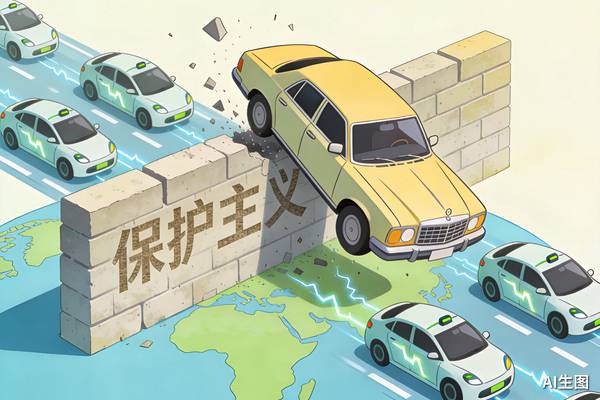
U.S. Tariffs Raise New-Car Prices Across North America
BBC, Orbit Insurance and Ivey link U.S. tariffs to higher vehicle and parts costs that feed into higher new-car and repair prices.
CBT News says Toyota’s 992 billion yen operating income (an 18% rise) benefited from the absence of last year’s U.S. tariff costs.
Mexico produced 3.55 million vehicles in 2025 despite U.S. tariff uncertainty, per MexicoBusiness, but investment and EV launches slowed.
Eu.36Kr reports automakers and the Auto Innovation Alliance are pushing U.S. lawmakers to restrict Chinese auto imports—adding regulatory pressure that affects pricing and market strategy.
Tariffs Are Showing Up In Company Results And Consumer Costs
U.S. tariffs have raised parts and vehicle costs that appear in automaker results and consumer prices: Toyota’s 992 billion yen quarterly operating income reflects the absence of last year’s tariff costs (CBT News), while BBC, Orbit Insurance and Ivey link tariffs to higher prices for buyers and suppliers.
Long-Term: Supply Chains, Not Just Tariffs, Will Drive Prices
If trade barriers persist or expand, automakers will shift sourcing and strategy—keeping parts and vehicle prices elevated even as regional production (Mexico’s 3.55M vehicles in 2025) continues.
BBC frames recent U.S. political changes as a potential chance for Canada to push back on tariffs but says immediate relief is unlikely and control is unclear.
CBT News links the removal of last year’s U.S. tariff costs to Toyota’s improved quarterly operating income.
Eu.36Kr reports the Auto Innovation Alliance and major automakers urging Congress to restrict Chinese auto imports, adding regulatory changes that interact with tariffs to shape prices and competition.
Ivey Business School argues Ontario’s auto-parts sector needs an offensive diversification strategy to offset tariff-driven cost pressures and avoid long-term decline.
 bbc.comNov 4, 2026US Midterm Results a 'Victory' for Canadians Hopeful of Tariff Relief

 orbitinsuranceservices.caNov 3, 2026Understanding How Tariffs May Impact Your Home & Auto Insurance
Citefull AI generated this brief from published sources. Confidence ratings reflect source agreement, not editorial endorsement. Nothing here is financial or legal advice.
You’re receiving this Brief because you built your own WatchFull™ Channel in Citefull.
View in browser · Preferences · Terms of Service · Privacy Policy · Disclaimer