A robot wrote this one
10 sources used
to draft this brief.
We told it to behave. It mostly does — but Citefull AI can still get things wrong. Every claim links back to where it actually came from, right below.
You’ll see this every time you open a brief. Consider it us refusing to let you forget there’s a machine behind the curtain.
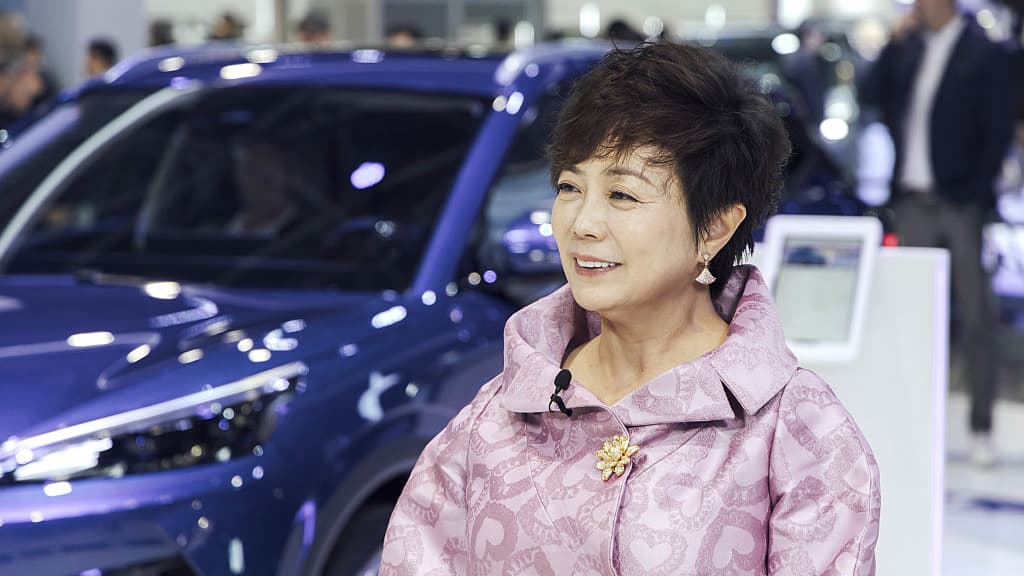
Image from time.com
U.S. Imposes 50% Tariffs on 100 Canadian Goods
A 50% tariff on 100 Canadian product categories takes effect Oct. 30, 2026, under U.S. Section 338, troutman.com reports.
Canada's retaliatory tariffs reach about $20 billion in U.S. imports and include duties up to 50%, abc7news.com reports.
Automakers and logistics providers say tariff swings raise vehicle, parts and supply-chain costs, per Automotive Logistics and OTIP.
Policy moves aimed at Chinese-connected vehicles and software are complicating market access and could reshape import rules, eu.36kr.com reports.
Companies such as Audi are seeking tariff relief and reassessing U.S. investments as tariffs affect cost assumptions, Economic Times reports.
Three Facts to Know Now
A 50% tariff on 100 Canadian product categories takes effect Oct. 30, 2026; Canada has retaliatory levies covering about $20 billion of U.S. imports; automakers and insurers warn higher parts and logistics costs will push up vehicle and ownership expenses.
Longer-Term Takeaway
If tariff-driven trade frictions persist, automakers will continue reshaping North American supply chains and factor higher import duties into vehicle pricing and plant-location decisions.
The U.S. Section 338 tariff action lists 100 Canadian categories for 50% duties starting Oct. 30, 2026.
Canada's retaliatory tariffs can reach 50% and cover about $20 billion in U.S. goods, marking a sizable escalation in bilateral measures.
Automakers and logistics providers say tariffs and tariff volatility are increasing vehicle costs and forcing supply-chain redesigns.
Critics argue tariffs act as a regressive tax that raises prices on essential goods, including automobiles.
What happens next
Where these sources think this goes — drawn from the same sources behind today’s facts.
Will BYD surpass Toyota as the world's top automaker by 2030?
 time.comNov 4, 2026BYD's Vice President on the Price of Global Success

 freopp.orgNov 6, 2026How Tariffs Make Goods Unaffordable
Citefull AI generated this brief from published sources. Confidence ratings reflect source agreement, not editorial endorsement. Nothing here is financial or legal advice.
You’re receiving this Brief because you built your own WatchFull™ Channel in Citefull.
View in browser · Preferences · Terms of Service · Privacy Policy · Disclaimer